Murray Springs Clovis Site
A short interpretive trail about one of the first human cultures in North America.
About
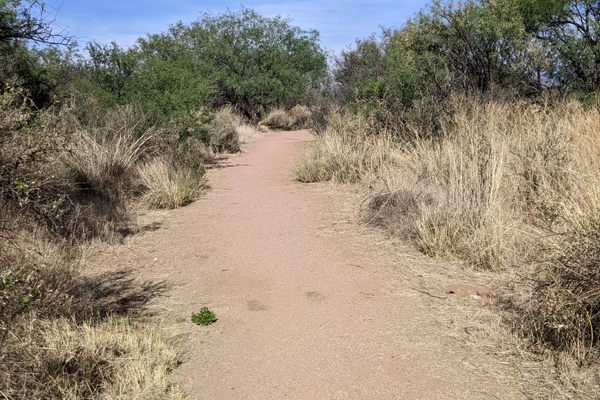
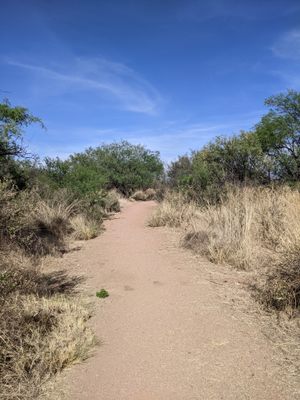
Outside Sierra Vista, Arizona is a quiet desert trail, scarcely distinguishable from the surrounding landscape. Plants are dry and hardy here, relying on infrequent rainstorms for water. It's hard to imagine that just 12,000 years ago, this place was an Ice Age paradise—a place where mammoths came for water and humans came to hunt.
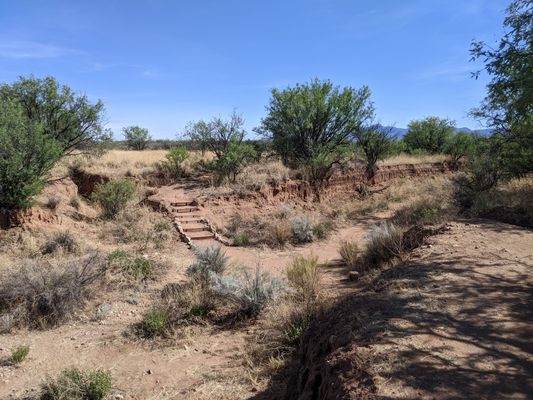
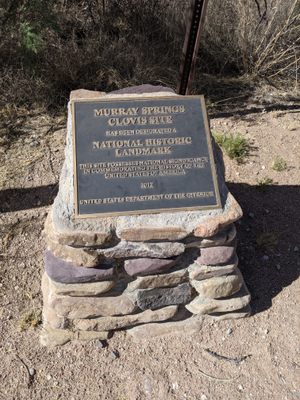
The Murray Springs site was discovered by archaeologists C. Vance Haynes and Peter Mehringer from the University of Arizona in 1966. The types of tools found across the site were left behind by the Clovis Culture. It is believed that megafauna such as bison, horses, and mammoths came to drink along the now-dry riverbed, becoming easy prey for the well-armed humans camped nearby.
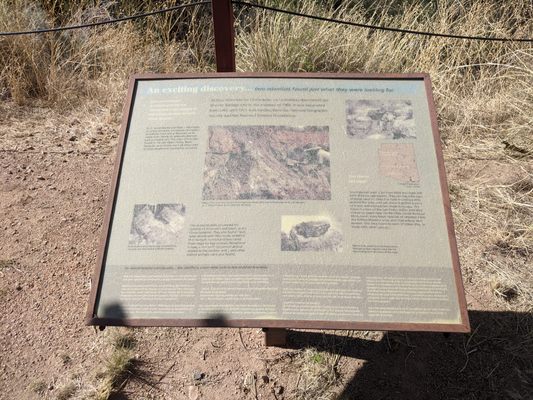
These days, you won’t find any flint tools or mammoth bones at Murray Springs. What you will find is a trail between some of the dig sites, and interpretive signs describing the discoveries made there and the daily lives of the Clovis people. As you explore the trail, consider the stark contrast between the present and the ancient past. Perhaps the solitude of the desert trail will give you just enough perspective to envision their world, old and new and timeless all at once.
Get more unusual and extraordinary places each week with the Atlas Obscura Places newsletter.
Your newsletter subscriptions with us are subject to Atlas Obscura's Privacy Policy and Terms of Use .
The Murray Springs Clovis site is managed by the Bureau of Land Management. Admission is free, and the site is open from dawn until dusk. Always remember to stay on the trail and adhere to Leave No Trace principles.
Gallery