Cameron Trading Post
More than a century old, this trading post resides in the Navajo Nation.
About
The early exploration and settlement of northern Arizona was dominated by thousands of miles of cliffs and canyons cut by the Colorado River and its tributaries. The Little Colorado River’s name is misleading. It is one of the Colorado River’s largest tributaries and forms impassable canyons for miles across the Navajo Nation before becoming shallower as it approaches what is now Cameron, Arizona. When a bridge was built there in 1911, it created the first easy access over the canyon and became the ideal place for a trading post.
Brothers Hubert and C.D. Richardson established the Little Colorado Trading Post in 1916, which was later renamed the Cameron Trading Post. A century later, it's one of approximately ten trading posts still operating in the Navajo Nation. The historical suspension bridge is no longer in use but still spans the canyon next to the trading post and can be seen from the highway.
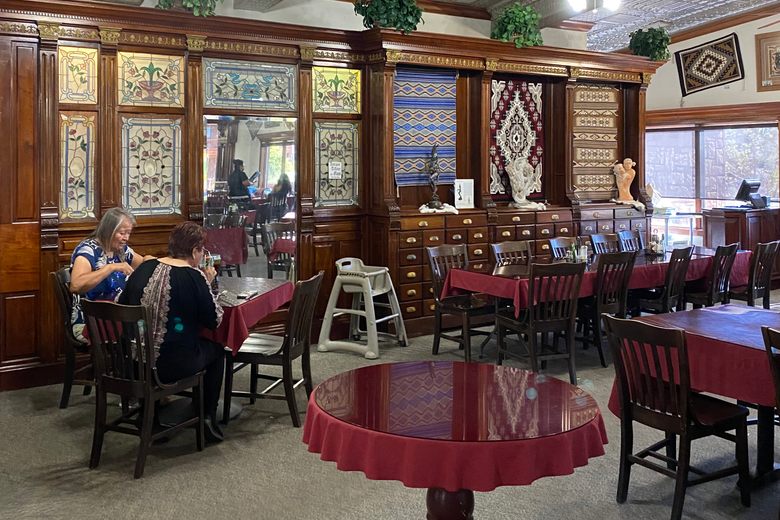
Originally established so the Navajo and Hopi could barter their commodities, the trading post’s location near the Grand Canyon made it popular with travelers. A hotel was added in 1928. Over the years, the trading post continued to expand and in addition to the market and hotel, now includes an RV park, gift shop, restaurant, and a Native American fine arts gallery.
In addition to typical trinkets and souvenirs, the gift shop still sells a lot of the same products that were the basis of their original trade, including Navajo rugs, silver and turquoise jewelry, Hopi pottery, and kachinas. In the “Cameron Corral of Weaving,” Navajo weavers demonstrate traditional textile weaving techniques.
Get more unusual and extraordinary places each week with the Atlas Obscura Places newsletter.
Your newsletter subscriptions with us are subject to Atlas Obscura's Privacy Policy and Terms of Use .
Gallery